Shooting aids are the secret weapons that separate average archers from exceptional ones. These accessories help you achieve consistency, improve accuracy, and build confidence with every shot. Whether you are a beginner or an experienced archer, the right shooting aids can dramatically improve your performance.
Many archers struggle with inconsistent shots. They practice for hours but still miss their targets. The problem often lies not in their technique but in their equipment setup. Shooting aids address the small variables that cause big misses.
What Are Shooting Aids in Archery?
Shooting aids are accessories designed to help archers achieve more consistent and accurate shots. They work by reducing human error and creating repeatable reference points. These tools do not replace proper form. They enhance it.
The most common shooting aids include stabilizers, kisser buttons, peep sights, and release aids. Each serves a specific purpose. Together, they create a system that promotes accuracy and confidence.
Professional archers rely heavily on shooting aids. Olympic competitors and tournament champions all use these accessories. They understand that small improvements in consistency lead to significant gains in scores.
Why Every Archer Needs Shooting Aids
Consistency is the foundation of accurate archery. Without it, even perfect form produces unpredictable results. Shooting aids create the consistency your body cannot achieve alone.
Your muscles fatigue during practice. Your grip pressure changes. Your anchor point shifts slightly. These tiny variations compound into missed shots. Shooting aids minimize these variables.
Beginning archers benefit most from shooting aids. These tools accelerate the learning curve by providing immediate feedback. When something feels wrong, you know it instantly. This awareness speeds up skill development.
Improved Accuracy Through Stabilization
Stabilizers are among the most impactful shooting aids available. They reduce bow movement during the shot cycle. Less movement means tighter arrow groups and higher scores.
A proper stabilizer setup absorbs vibration and balances the bow. This creates a steadier sight picture at full draw. The result is improved aim and more forgiving shots.
Many archers notice immediate improvement after adding a stabilizer. The bow feels more controlled. The sight pin stays on target longer. Confidence increases with every arrow.
Consistent Anchor Points Save Shots
Your anchor point determines where your arrow goes. Even a millimeter of variation translates to inches of error at distance. Shooting aids like kisser buttons eliminate anchor point guesswork.
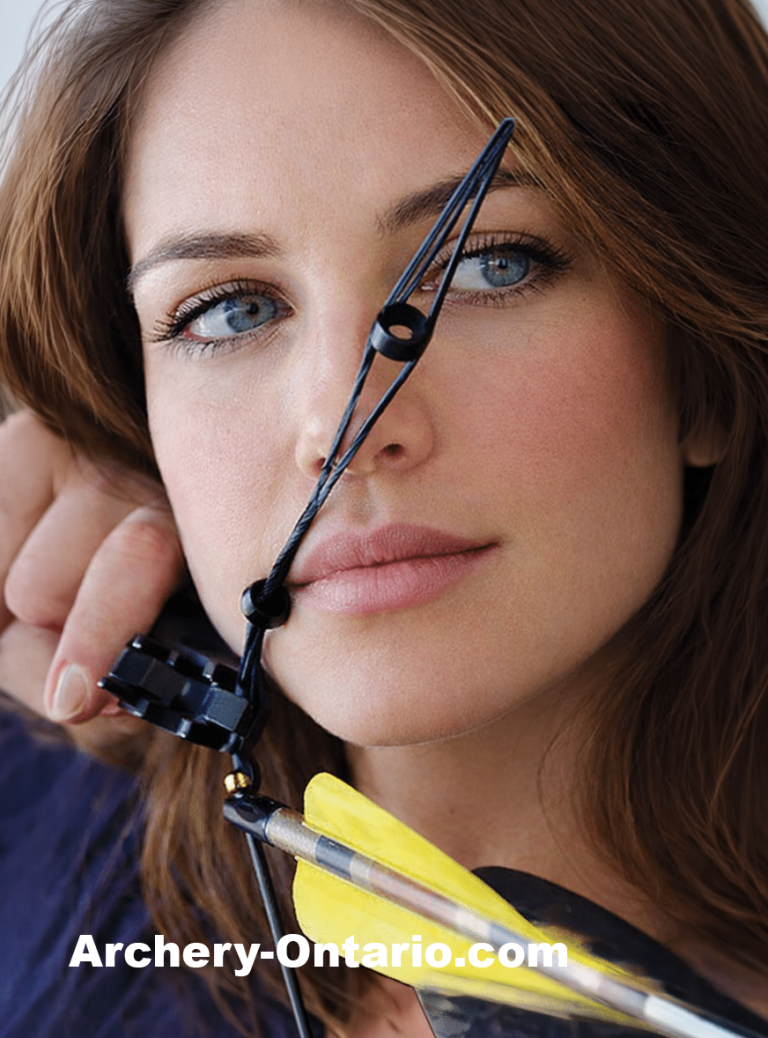
A kisser button touches your lips at the same spot every time. This tactile reference confirms proper head position and string alignment. You know your anchor is correct before releasing.
Without a consistent anchor, accuracy depends entirely on feel. Some days feel right. Other days feel wrong. Shooting aids remove this uncertainty and create reliable repeatability.
Types of Shooting Aids for Archery
The shooting aids market offers many options. Understanding each type helps you build the right setup for your needs. Start with the basics and add accessories as your skills develop.
Bow Stabilizers
Stabilizers mount to the front of your bow. They extend forward and add weight that counterbalances the bow during the shot. This reduces torque and steadies your aim.
Short stabilizers work well for hunting. They add stability without catching on brush. Long stabilizers maximize accuracy for target shooting. Many archers use both front and side stabilizers for optimal balance.
The weight and length of your stabilizer depend on your bow and shooting style. Experimentation helps you find the perfect combination. Most archers start with a medium-length front stabilizer and adjust from there.
Kisser Buttons
Kisser buttons attach to your bowstring. They contact your lips at full draw, confirming your anchor point. This simple device dramatically improves shot-to-shot consistency.
Installation takes only minutes. Positioning requires some adjustment. Once set correctly, a kisser button becomes an invaluable reference point that you will rely on for every shot.
Some archers prefer nose buttons or other string-mounted references. The principle remains the same. Physical contact with a fixed point on the string ensures repeatable positioning.
Peep Sights
Peep sights install in your bowstring. They create a rear sight that aligns with your front sight pin. This alignment system works like rifle sights for improved accuracy.
Proper peep sight alignment is critical. The peep must rotate correctly at full draw. Many archers struggle with peep rotation issues. Professional installation often solves these problems.
Peep sight diameter affects your shooting. Smaller peeps provide precise alignment but reduce light. Larger peeps work better in low light but sacrifice some precision. Choose based on your primary shooting conditions.
Release Aids
Release aids replace finger releases for compound bow shooters. They create a cleaner, more consistent release than fingers alone. Most compound archers consider them essential shooting aids.
Wrist strap releases are popular for hunting. They stay attached to your arm and deploy quickly. Handheld releases offer more precision for target shooting. Both types improve accuracy over finger shooting.
Trigger sensitivity and travel vary between release models. Some archers prefer crisp triggers. Others like gradual pressure. Testing different releases helps you find your preference.
How to Choose the Right Shooting Aids
Selecting shooting aids requires understanding your goals. Target archers prioritize maximum accuracy. Hunters need practical solutions that work in the field. Your choices should reflect your primary use.
Budget matters but should not drive every decision. Quality shooting aids last for years and improve your shooting immediately. Cheap alternatives often frustrate more than they help.
Start with one or two shooting aids rather than buying everything at once. Master each accessory before adding more. This approach prevents overwhelming yourself and ensures you understand how each aid affects your shooting.
Consider Your Shooting Style
Target archers benefit from longer stabilizers and precise peep sights. These shooting aids maximize accuracy at known distances. Weight matters less than stability for competition shooting.
Hunters need compact, quiet shooting aids. Short stabilizers clear brush. Rubber-dampened accessories reduce noise. Every piece of equipment must work in real hunting conditions.
Recreational archers can experiment freely. Try different shooting aids to discover what works best for you. Personal preference plays a significant role in accessory selection.
Match Aids to Your Bow
Different bows require different shooting aids. Compound bows accept most modern accessories. Traditional bows have limited options. Match your aids to your equipment for optimal results.
Bow weight influences stabilizer selection. Heavy bows need less front weight. Light bows benefit from more stabilization. Balance the total system weight for comfortable shooting.
Cam systems affect release aid choice. Aggressive cams demand consistent releases. Forgiving cams allow more variation. Understanding your bow helps you select appropriate shooting aids.
Installing and Adjusting Your Shooting Aids
Proper installation maximizes the benefits of your shooting aids. Incorrect setup can actually hurt your accuracy. Take time to install each accessory correctly.
Many archers benefit from professional installation. Pro shops have the tools and experience to set up shooting aids properly. The small investment often saves hours of frustration.
After installation, adjustment fine-tunes performance. Small changes in position or angle can significantly impact your shooting. Document your settings so you can recreate them if needed.
Stabilizer Setup Tips
Mount your stabilizer securely to prevent loosening during shooting. Check the connection before every session. Loose stabilizers create inconsistent results and potential safety issues.
Experiment with weight placement. Moving weights forward or backward changes balance. Find the configuration that feels most natural and produces the tightest groups.
Add dampeners to reduce vibration and noise. These small accessories improve comfort and performance. Many stabilizers include dampening systems, but aftermarket options offer customization.
Kisser Button Positioning
Position your kisser button where it naturally contacts your lips at full draw. Do not force your head position to reach the button. The button should come to you.
Draw your bow several times to find the natural contact point. Mark this location on your string. Install the kisser button at this precise spot for optimal results.
Adjust as needed over time. Changes in form or equipment may require repositioning. Check your kisser button placement periodically to ensure it remains in the ideal location.
Common Mistakes with Shooting Aids
Even quality shooting aids fail when used incorrectly. Avoid these common mistakes to get the most from your accessories. Learning from others’ errors saves time and frustration.
Over-reliance on shooting aids creates problems. These tools enhance good form but cannot replace it. Continue developing your fundamental technique alongside your accessory setup.
Changing too many variables at once makes troubleshooting impossible. When something goes wrong, you cannot identify the cause. Make one adjustment at a time and evaluate the results.
Using Too Much Stabilizer Weight
Heavy stabilizers fatigue your muscles quickly. Tired muscles shake and produce poor shots. Find the minimum weight that achieves your stability goals.
Start light and add weight gradually. Stop when you notice diminishing returns. More weight does not always mean better accuracy.
Incorrect Peep Height
Wrong peep height forces unnatural head position. This creates neck strain and inconsistent anchor points. Proper peep height allows comfortable, repeatable alignment.
Your head should remain neutral at full draw. If you tilt up or down to see through the peep, adjustment is needed. Correct height eliminates this compensation.
Maximizing Your Shooting Aids Investment
Quality shooting aids represent a significant investment. Maximize their value through proper care and regular practice. These accessories should last many years with appropriate maintenance.
Clean your shooting aids regularly. Dirt and debris affect performance. Stabilizer threads, peep apertures, and release mechanisms all require attention.
Practice with your complete setup. Shooting without your aids develops bad habits. Train the way you compete or hunt for best results.
Reference
Archery 360 – How to Choose a Stabilizer