Kisser button archery techniques separate consistent shooters from those who struggle with accuracy. This small string-mounted accessory provides the feedback needed for repeatable shots. Mastering kisser button archery fundamentals gives you a significant advantage in both competition and hunting.
Archers who properly integrate kisser button archery methods into their shooting routine see immediate improvement. Their anchor points become consistent. Their groups tighten. Their confidence grows with every arrow. These results come from understanding and applying proven techniques.
Understanding Kisser Button Archery Fundamentals
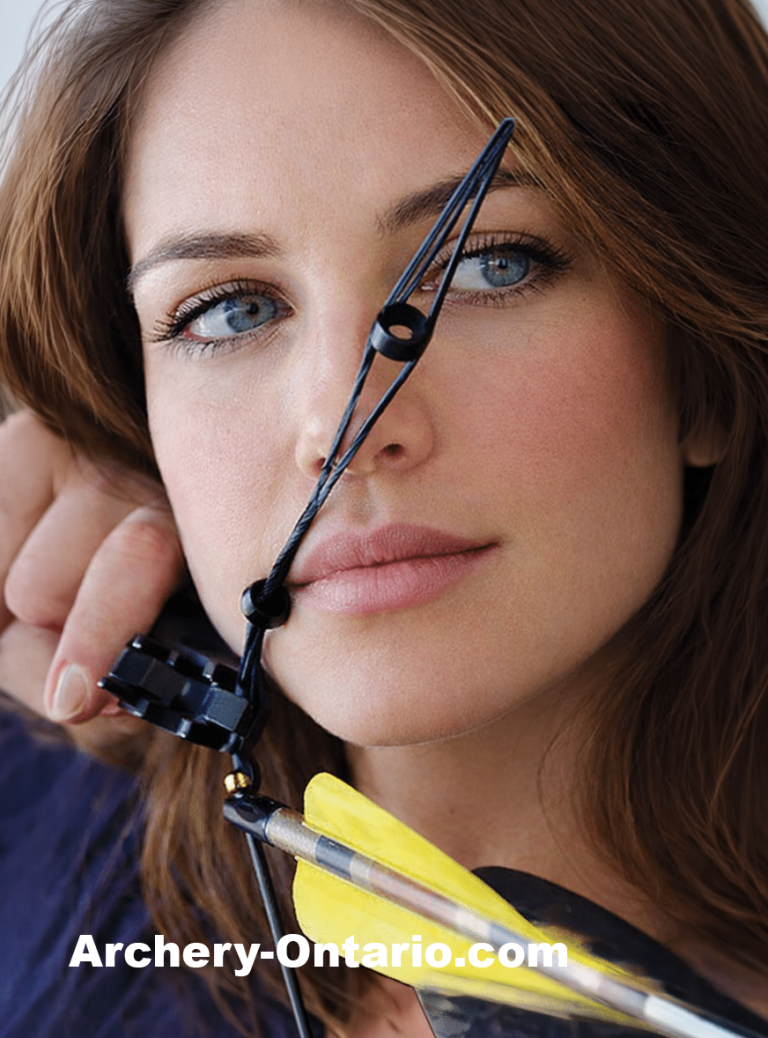
Kisser button archery relies on tactile feedback to confirm anchor point position. When the button contacts your lips at full draw, you know your head and string alignment are correct. This confirmation happens before you release, allowing corrections if needed.
The fundamental principle of kisser button archery is simple. Touch provides accurate position information. Your lips detect contact precisely. Using this sensitivity to verify anchor position eliminates guesswork from your shooting process.
Successful kisser button archery requires proper setup and technique. The button must be positioned correctly. Your form must be consistent. When these elements align, the kisser button becomes an invaluable accuracy tool.
7 Proven Techniques for Kisser Button Archery Success
These techniques come from experienced archers who have refined their kisser button archery methods through years of practice and competition. Apply them systematically to maximize your accuracy improvement.
1. Establish Your Natural Contact Point
Before positioning your kisser button, identify where the string naturally contacts your face. Draw your bow multiple times with attention to this contact. The consistent point is where your kisser button belongs.
Do not choose an arbitrary position for your kisser button archery setup. Let your natural form dictate placement. Forcing an unnatural position creates more problems than it solves.
Most archers find their natural contact point at the corner of the mouth or directly on the lips. Either location works for kisser button archery. Choose the spot that your form naturally produces.
2. Maintain Consistent Head Position
Your head position determines where the kisser button contacts. Inconsistent head angles produce inconsistent contact. Proper kisser button archery requires a repeatable head position at full draw.
Keep your head upright and facing the target squarely. Tilting or turning your head changes the kisser button contact point. These variations introduce the inconsistency that kisser button archery should eliminate.
Practice maintaining neutral head position without the bow. Stand in your shooting stance and note how your head naturally sits. This position should remain unchanged at full draw.
3. Draw to the Kisser Button, Not Past It
Proper kisser button archery involves drawing to a specific point and stopping. Overdrawing past the kisser button defeats its purpose. The button should halt your draw at the correct anchor position.
Think of the kisser button as your draw length limiter. When you feel contact, you have reached full draw. Continue your shot process from this confirmed position.
Overdrawing is a common kisser button archery mistake. Archers feel the contact but continue pulling. This extra movement changes the contact point and introduces inconsistency.
4. Use Light but Definite Contact
The kisser button should touch your lips clearly without pressing hard. Heavy pressure indicates overdrawing or incorrect positioning. Light contact provides the feedback you need without affecting your form.
Proper kisser button archery contact feels like a gentle touch. You know the button is there without it pushing against you. This subtle sensation confirms position without creating interference.
If you find yourself pressing the kisser button hard against your lips, adjust your position. Either the button is placed incorrectly or your draw length needs evaluation. Comfortable contact is correct contact.
5. Integrate with Your Peep Sight
Kisser button archery works best as part of a complete aiming system. Your kisser button confirms vertical position while your peep sight ensures horizontal alignment. Together, they create comprehensive aim verification.
When your kisser button contacts correctly and your peep sight centers perfectly, you know your form is right. This dual confirmation builds confidence and catches errors before they become missed shots.
Adjust both accessories together when needed. Changing one often requires adjusting the other. Treat your kisser button and peep sight as a system rather than independent components.
6. Develop a Consistent Shot Routine
Kisser button archery benefits from a consistent shot routine. The same sequence of actions produces repeatable results. Build kisser button contact into your routine as a checkpoint.
A typical routine might include: nock arrow, set grip, raise bow, draw to kisser button contact, verify peep alignment, settle sight, release. The kisser button provides a definite milestone in this sequence.
Your routine should feel natural and unhurried. Rushing through the kisser button archery checkpoint defeats its purpose. Take time to confirm proper contact before proceeding.
7. Practice Deliberately
Improvement in kisser button archery requires deliberate practice. Simply shooting arrows does not optimize your technique. Focus specifically on the kisser button contact during practice sessions.
Devote portions of your practice to kisser button archery fundamentals. Draw and hold without shooting, focusing on contact quality. This targeted practice builds the muscle memory for consistent anchoring.
Evaluate your kisser button contact on every shot. Did the button touch in exactly the same place? Did contact feel the same? This awareness drives improvement over time.
Kisser Button Archery for Different Bow Types
Kisser button archery applies across bow types with some variations. Understanding these differences helps you optimize your setup for your specific equipment.
Compound Bow Kisser Button Archery
Compound archers commonly use kisser buttons as part of comprehensive aiming systems. The let-off at full draw provides time to verify contact before releasing. This makes kisser button archery particularly effective for compound shooters.
Compound bow kisser button archery often pairs with release aids. The consistent release point combines with consistent anchor for maximum accuracy. Many compound target archers consider kisser buttons essential.
Position your kisser button to work with your release hand anchor. The button should contact when your release hand reaches its proper position. This coordination ensures your entire anchor system works together.
Recurve Bow Kisser Button Archery
Recurve archers face higher holding weight at full draw. This makes quick anchor verification valuable. Kisser button archery helps recurve shooters confirm position without extended holding time.
Olympic recurve archers sometimes use kisser buttons, though rules restrict their use in some divisions. Check competition rules before building kisser button archery into your tournament routine.
Finger shooters may find kisser button position differs from release aid users. The different anchor points require different button placement. Experiment to find optimal positioning for your finger release style.
Traditional Bow Kisser Button Archery
Traditional archers have mixed opinions on kisser buttons. Some consider them inconsistent with traditional methods. Others appreciate the accuracy benefits regardless of bow type.
If you choose kisser button archery for traditional shooting, keep the setup simple. A basic kisser button serves the purpose without adding complexity that conflicts with traditional aesthetics.
Traditional archers often use alternative anchor references like nose-to-string contact. These methods accomplish similar goals to kisser button archery through different means.
Troubleshooting Kisser Button Archery Problems
Even experienced archers encounter kisser button archery challenges. Identifying and addressing these problems quickly restores accuracy and confidence.
Inconsistent Contact Point
If your kisser button contacts different spots on different shots, examine your form. Head position variation commonly causes this problem. Focus on maintaining consistent head alignment.
Draw length variation also affects kisser button archery contact. If your draw length changes shot to shot, contact point changes too. Work on drawing to a consistent length every time.
No Clear Contact Sensation
Some archers struggle to feel their kisser button clearly. The button may be too small or positioned where contact is subtle. Consider a larger button or repositioning for clearer feedback.
Dry lips reduce contact sensation. The kisser button slides across dry skin without clear feedback. Keep your lips slightly moistened for better kisser button archery performance.
Contact Feels Uncomfortable
Uncomfortable kisser button contact indicates positioning or draw length problems. The button should touch gently, not press hard. Adjust position to achieve comfortable contact.
Sharp-edged kisser buttons cause discomfort regardless of position. Replace with a smooth-surfaced button if edges irritate your lips. Comfort enables proper kisser button archery technique.
Accuracy Not Improving
If kisser button archery fails to improve your accuracy, the problem likely lies elsewhere. The kisser button addresses anchor consistency only. Other form issues require different solutions.
Verify that your kisser button position is actually correct. Incorrect positioning provides false feedback that hurts accuracy. Have an experienced archer or coach evaluate your setup.
Advanced Kisser Button Archery Concepts
Once you master basic kisser button archery, advanced concepts further refine your technique. These ideas help you extract maximum benefit from this accuracy tool.
Using Multiple Reference Points
Some archers use the kisser button alongside other reference points. Nose-to-string contact combined with kisser button archery provides two independent position checks. Multiple references increase confidence and catch more errors.
Adding references requires careful coordination. Each reference must confirm the same correct position. Conflicting references create confusion rather than clarity.
Pressure Consistency
Advanced kisser button archery involves consistent contact pressure. Not just touching the same spot, but touching with the same pressure. This refinement further reduces anchor variation.
Developing pressure sensitivity takes practice. Focus on the feel of contact during each shot. Note whether pressure feels identical. Inconsistent pressure indicates form variation.
Mental Integration
Experienced archers integrate kisser button archery into their mental game. The contact sensation becomes a trigger for shot execution. Feeling the button tells their mind to proceed with the release.
This mental integration happens naturally with practice. You stop thinking about the kisser button consciously. It becomes an automatic checkpoint in your subconscious shooting process.
Kisser Button Archery Competition Considerations
Competitive archers must understand how kisser button archery fits into their chosen division. Rules vary between organizations and competition formats.
Check Division Rules
Some competition divisions prohibit kisser buttons. Olympic recurve divisions often restrict anchor aids. Verify rules before relying on kisser button archery for competition.
Compound divisions typically allow kisser buttons without restriction. Target archery and field archery generally permit their use. Check specific organization rules to be certain.
Practice Competition Conditions
If you compete with a kisser button, practice with it consistently. Removing the button for some practice sessions creates inconsistency. Train exactly as you will compete.
If competition rules prohibit kisser buttons, develop alternative anchor methods. Practice without the button regularly so competition conditions feel natural.
Reference
A Blog for Archery Coaches – Kisser Buttons