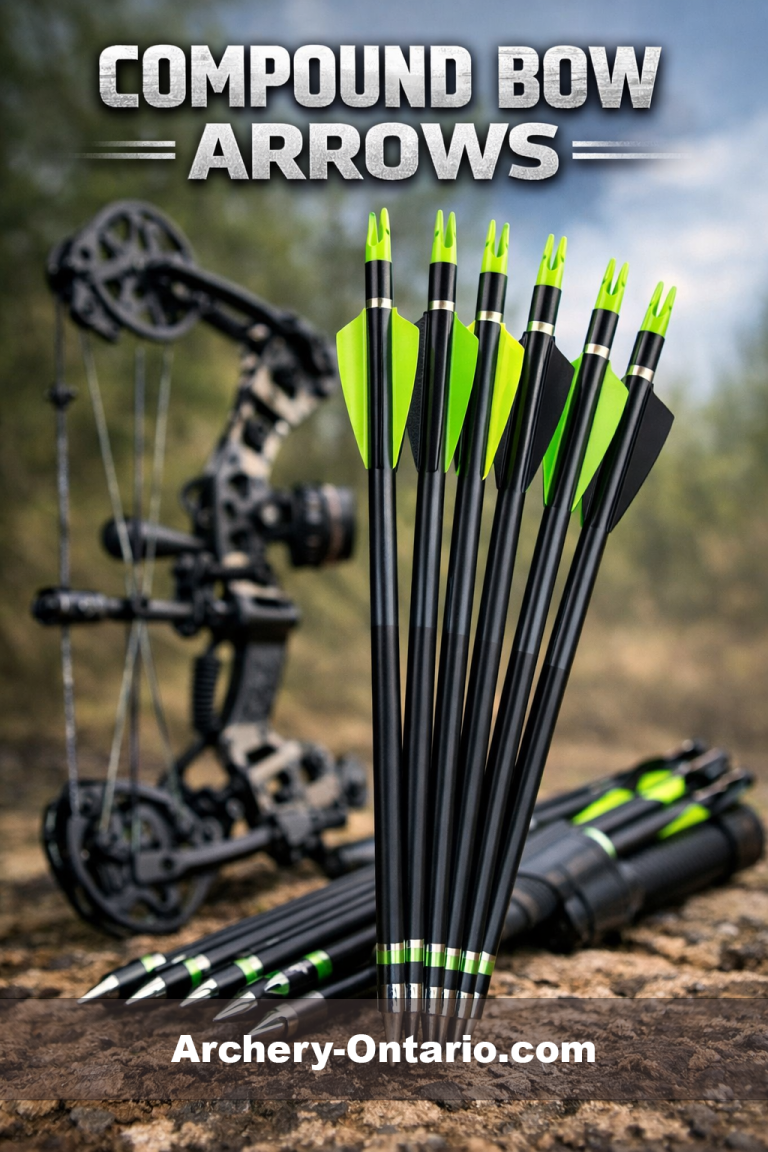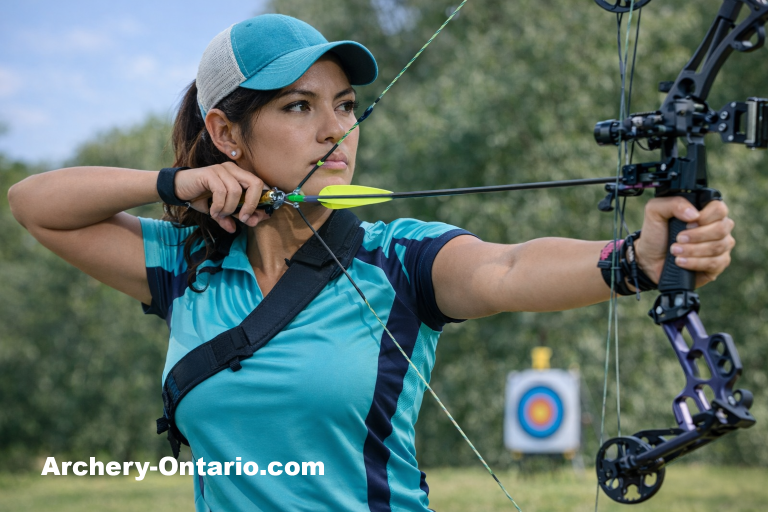
Choosing the right arrows for compound bow shooting is one of the most important decisions you will make as an archer. The wrong arrows cause accuracy problems, inconsistent flight, and potential equipment damage. Understanding how to select proper arrows for compound bow setups ensures you get the performance your bow is capable of delivering.
Many archers invest heavily in their compound bow but neglect arrow selection. They grab whatever arrows are on sale without considering compatibility. This mistake costs them accuracy and enjoyment. Taking time to understand arrows for compound bow applications transforms your shooting experience.
Why Arrow Selection Matters for Compound Bow Shooters
Your compound bow is a precision instrument designed to launch arrows with specific characteristics. Arrows for compound bow shooting must match your bow’s power and your shooting style. Mismatched arrows fly erratically regardless of your form or equipment quality.
Arrow spine, length, weight, and material all affect performance. Each factor interacts with your bow’s draw weight, draw length, and cam system. Understanding these relationships helps you select arrows for compound bow use that maximize accuracy.
Professional archers spend considerable time tuning their arrow selection. They test multiple configurations to find optimal performance. This attention to arrows for compound bow setup separates competitive shooters from casual participants.
9 Essential Tips for Choosing Arrows for Compound Bow
These tips guide you through the arrow selection process. Apply them systematically to find the best arrows for compound bow shooting in your specific situation.
1. Match Arrow Spine to Draw Weight
Arrow spine measures shaft stiffness. Arrows for compound bow use must have appropriate spine for your draw weight. Too stiff and arrows fly left for right-handed shooters. Too weak and they fly right.
Manufacturer spine charts provide starting recommendations. Find your draw weight on the chart and note the recommended spine rating. This gives you a baseline for arrows for compound bow selection.
Higher draw weights require stiffer arrows. A 70-pound bow needs stiffer arrows than a 50-pound bow. Ignoring this relationship guarantees accuracy problems with your arrows for compound bow setup.
2. Consider Arrow Length Carefully
Arrow length affects both safety and performance. Arrows for compound bow shooting must extend past your arrow rest at full draw. Too short creates dangerous situations where broadheads contact your hand.
Standard practice adds one to two inches beyond your draw length. This margin provides safety without excessive weight. Measure carefully when selecting arrows for compound bow use.
Longer arrows weigh more and have weaker effective spine. Factor this into your selection process. The arrows for a compound bow that work at one length may not work at another.
3. Choose Appropriate Arrow Material
Modern arrows for compound bow shooting come in several materials. Carbon dominates the market for good reason. Aluminum remains popular for specific applications. Each material offers distinct advantages.
Carbon arrows for compound bows offer excellent speed and durability. They resist bending and maintain straightness over time. Most serious archers choose carbon for their primary arrows.
Aluminum arrows offer affordability and consistency. They work well for beginners learning compound bow shooting with arrows. However, they bend more easily than carbon and may not recover.
4. Select Proper Arrow Weight
Total arrow weight affects speed, trajectory, and kinetic energy. Lighter arrows for compound bow shooting fly faster but carry less energy. Heavier arrows fly slower but hit harder.
Target archers often prefer lighter arrows for compound bow use. Flatter trajectories simplify aiming at known distances. Speed helps when shooting multiple targets quickly.
Hunters typically choose heavier arrows for compound bow hunting. Increased kinetic energy improves penetration on game animals. The speed sacrifice is worthwhile for ethical kills.
5. Understand Point Weight Impact
Point weight affects arrow balance and spine behavior. Heavier points make arrows for compound bow shooting act weaker. Lighter points make them act stiffer. This relationship matters for tuning.
Standard target points weigh 100 grains. Hunting broadheads range from 85 to 125 grains or more. Select arrows for compound bow use that work with your intended point weight.
Changing point weight requires spine reconsideration. Arrows for compound bow that tune perfectly with field points may not tune with heavier broadheads. Plan for your actual shooting situation.
6. Evaluate Fletching Options
Fletching stabilizes arrows for compound bow flight. Vanes and feathers both work effectively. Size, shape, and configuration affect performance in different ways.
Plastic vanes dominate arrows for compound bow shooting. They resist weather, last longer than feathers, and provide consistent performance. Most factory arrows come with vanes installed.
Fletching helical affects arrow rotation. More helical creates more spin for stability but increases drag. Match fletching configuration to your arrows for compound bow application.
7. Consider Nock Compatibility
Nocks connect arrows for compound bow shooting to your bowstring. Different nock types fit different string serving diameters. Incompatible nocks cause inconsistent positioning and poor accuracy.
Press-fit nocks are most common for arrows for compound bow use. They push into the arrow shaft and grip the string when nocked. Multiple sizes accommodate different serving thicknesses.
Lighted nocks help track arrows for compound bow hunters. They illuminate at the shot and remain visible during flight. This feature aids arrow recovery in low light conditions.
8. Buy Quality Components
Quality matters for arrows for compound bow accuracy. Consistent spine, straightness, and weight produce predictable results. Cheap arrows vary too much for serious shooting.
Premium arrows for compound bow shooting specify tight tolerances. Straightness within .001 inches and weight within one grain per arrow. These specifications cost more but deliver performance.
Budget arrows work for casual shooting and learning. As skills develop, upgrade to quality arrows for compound bow use. The accuracy improvement justifies the investment.
9. Test Before Committing
Buy a few arrows for compound bow testing before purchasing dozens. Shoot them and evaluate performance. Confirm they tune well with your specific setup before investing heavily.
Paper tuning reveals arrow flight problems quickly. Properly matched arrows for compound bow shooting tear clean holes. Poor tears indicate spine or tuning issues requiring adjustment.
Group testing shows practical accuracy. Shoot multiple groups with test arrows for compound bow evaluation. Consistent tight groups confirm good arrow selection.
Arrow Spine Charts Explained
Spine charts help match arrows for compound bow setups to your equipment. Understanding how to read them ensures proper selection.
Using Manufacturer Charts
Each arrow manufacturer provides spine charts for their products. Find your draw weight on one axis and draw length on another. The intersection indicates recommended spine.
Charts assume standard configurations. Adjustments may be needed for unusual setups. Very heavy points or aggressive cams can shift requirements for arrows for compound bow use.
Static vs Dynamic Spine
Static spine measures shaft stiffness by deflection. Dynamic spine describes actual behavior during the shot. Both matter for arrows for compound bow selection.
Dynamic spine is affected by arrow length, point weight, and bow characteristics. Two arrows with identical static spine can have different dynamic spine. Consider all factors when choosing arrows for compound bow shooting.
Common Arrow Materials Compared
Understanding material properties helps select the best arrows for compound bow applications.
Carbon Arrows
Carbon arrows for compound bow use offer excellent performance characteristics. High stiffness-to-weight ratio enables fast, flat-shooting arrows. Durability exceeds aluminum for most applications.
Carbon does not bend permanently. Damaged carbon arrows for compound bow shooting must be discarded. They can shatter if shot when cracked, creating safety hazards.
Inspect carbon arrows for compound bow use before every shot. Flex the shaft and listen for cracking sounds. Visual inspection catches obvious damage but not all cracks are visible.
Aluminum Arrows
Aluminum arrows for compound bow shooting provide consistent performance at lower cost. Manufacturing processes ensure uniform spine and weight. These properties make them popular for beginners.
Aluminum bends rather than breaking on impact. Bent arrows for compound bow use can sometimes be straightened and reused. This forgiveness appeals to budget-conscious archers.
Weight is the primary aluminum disadvantage. Equivalent spine requires heavier aluminum than carbon. This weight penalty reduces speed and flattens trajectory less effectively.
Carbon-Aluminum Hybrid
Some arrows for compound bow shooting combine carbon and aluminum. An aluminum core wrapped in carbon offers properties of both materials. These hybrids work well for specific applications.
Hybrid arrows cost more than either pure material. The performance benefits appeal to serious target shooters. Evaluate whether the premium justifies the expense for your arrows for compound bow needs.
Tuning Arrows for Compound Bow Accuracy
Proper tuning maximizes accuracy potential. Even well-selected arrows for compound bow shooting require tuning to perform optimally.
Paper Tuning Basics
Paper tuning reveals arrow flight characteristics. Shoot through paper at close range and examine the tear. The tear shape indicates how your arrows for compound bow setup are flying.
A bullet hole indicates perfect flight. Tail-left or tail-right tears suggest spine issues. Tail-high or tail-low tears indicate nocking point problems.
Adjust and retest until tears improve. Sometimes arrows for compound bow tuning requires equipment changes. Other times arrow selection changes solve the problems.
Walk-Back Tuning
Walk-back tuning verifies rest alignment and arrow flight over distance. Shoot at increasing distances while aiming at the same point. Arrows for compound bow setups that group vertically are well-tuned.
Left or right drift indicates rest alignment issues. Adjust your rest and repeat the test. Continue until arrows for compound bow shooting impact vertically aligned at all distances.
Broadhead Tuning
Broadheads stress arrow flight more than field points. Arrows for compound bow hunting must be tuned specifically for broadhead use. Field point accuracy does not guarantee broadhead accuracy.
Shoot groups alternating field points and broadheads. They should impact together if tuning is correct. Separation indicates need for further arrows for compound bow adjustment.
Maintaining Your Arrows
Proper maintenance extends arrow life and ensures consistent performance. Care for your arrows for compound bow shooting properly.
Inspection Routine
Inspect arrows for compound bow damage before every shooting session. Check for cracks, bends, and loose components. Damaged arrows compromise safety and accuracy.
Flex carbon arrows and listen for sounds. Visible inspection misses internal damage. Discard any arrows for compound bow use that produce concerning sounds.
Component Replacement
Fletching wears and tears over time. Replace damaged vanes to maintain arrows for compound bow flight characteristics. New fletching restores original performance.
Nocks crack and deform with use. Inspect nock fit on your string regularly. Replace nocks on arrows for compound bow shooting when fit becomes loose or inconsistent.
Storage
Store arrows for compound bow use in a protective case or tube. Protect from extreme temperatures and humidity. Proper storage prevents warping and component degradation.
Reference
Hunter’s Friend – Carbon Arrow Spine Charts and Deflection Data